BLOG
Home // Our Blogs
DRY FISH
11/7/2026
Dry Faisha Shutki in New York: Names, Pack Label and How to Order
What does "Faisha" mean?
Dried fish names change from region to region and from trader to trader. You will see Faisha written as Faissa, Faisa, Phaisha and Fyasa (ফ্যাসা / ফাইসা).
Bangladeshi fish references list Faisa or Fyasa as a local name for Setipinna phasa, the Gangetic hairfin anchovy, which lives in rivers and estuaries. A related fish, Setipinna taty (scaly hairfin anchovy), is listed with names such as Kata fesha and Ram faisya and comes from marine and brackish waters. A Bangladeshi research paper on chepa shutki also uses "phaisha" for small fish of the genus Setipinna.
The point for a buyer is simple: the common name does not always tell you the exact species. If the species matters to you, ask the seller and check the label.
What the Universal pack states
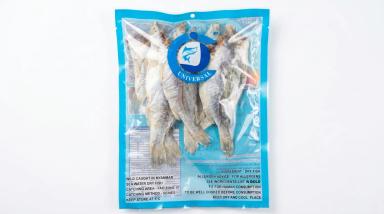
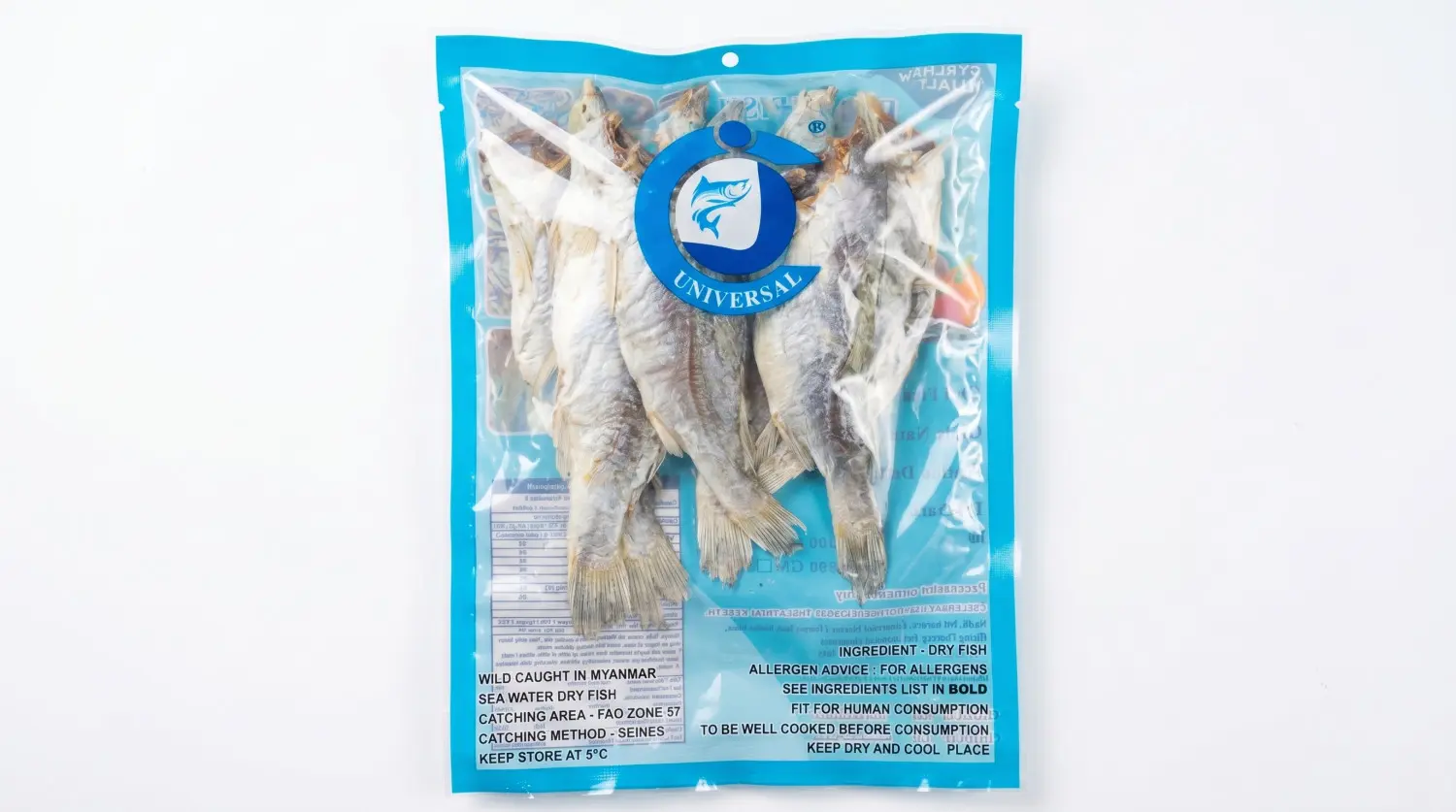
Here is what is printed on the Dry Faisha pack we photographed. Please read your own pack, because labels can change.
- Ingredient: dry fish
- Description: sea water dry fish
- Origin statement: wild caught in Myanmar
- Catching area: FAO zone 57
- Catching method: seines
- Storage: the pack gives two lines, "keep store at 5°C" and "keep dry and cool place"
- Preparation: to be well cooked before consumption
- Allergens: for allergens, see the ingredients list in bold
FAO zone 57 is the Eastern Indian Ocean fishing area, which FAO describes as including the Bay of Bengal and the Andaman Sea. It is a statistical area used for catch reporting.
How to choose a pack of dried fish
A 2024 PLOS ONE study of dried fish in Bangladesh reports that insect infestation, dirt and pesticide residue are commonly found in dried fish, and that 81.4% of the consumers it surveyed strongly preferred packed dried fish. That is a good reason to look closely at any pack before you buy:
- Check that the pack is sealed and undamaged.
- Look through the clear window for insects, dust or damp patches.
- Read the product name, net weight, ingredients, origin and storage lines.
- If the label does not say which species it is or where it came from, ask the seller.
For a longer checklist, see our guide to Dry Fatra shutki.
Dry Faisha 200GM from KAS International
- Product: Dry Faisha
- Pack size: 200GM
- Form: Dried
- Brand: Universal
- Where to find it: Dry Faisha 200GM product page
KAS International sells this product, so read this section as a seller's description.
Preparing dried fish
Bengali dried-fish dishes usually start with some preparation. Published recipes from UNB soak dried fish such as chhuri and loitta in warm water for about 20 to 25 minutes, then drain and wash it before frying. Some recipes fry the fish, boil it briefly and remove the bones before making a bhuna. Those methods are written for other dried fish and have not been tested by KAS on Faisha, so follow your pack and adjust to the fish you have. The pack says the fish should be well cooked before eating.
For storage, follow the lines printed on your pack.
From our work as an importer
KAS International imports and distributes frozen fish, dried fish and seafood used in Bangladeshi cooking, under our Universal and Dawati brands. Most of our customers are Bangladeshi and Bengali families, shops and restaurants in the New York and New Jersey area. We serve both wholesale buyers and people who order through our website. You can see our products on our YouTube channel.
About KAS International
KAS International Trading Corporation is an importer and distributor of premium seafood based in Maspeth, Queens, New York. Our range includes shrimp, hilsa, dried fish, other Bangladeshi freshwater fish, grocery items and disposable food packaging, under the Universal and Dawati brands. Learn more on our About page.
How to order
- Website: Dry Faisha 200GM product page or the wholesale page
- WhatsApp: +1 (917) 250-1239
- Phone: +1 (516) 514-3249
- Email: kasnyusa@gmail.com
- Payment: cash, check or Zelle
- Location: Maspeth, Queens, New York
Contact us for pricing, availability and wholesale quantities. If you cook with other dried fish, see our guide to Dry Star Baim.
Frequently asked questions
What is Faisha shutki? It is dried fish sold under the name Faisha, also written Faissa, Faisa or Phaisha. The name is used in Bangladesh for small fish related to the hairfin anchovies, but the exact species can vary by supplier.
Is Faisha the same as Faissa? They are spelling variants of the same name. Check the product name and weight on the pack.
Where can I buy dry Faisha in New York? From KAS International in Maspeth, Queens. Order through our website, WhatsApp, phone or email.
Does KAS sell Dry Faisha wholesale? The product is listed on our wholesale page. Contact us for quantities and pricing.
Do I need to soak dried fish before cooking? Many Bengali shutki recipes soak the fish first. Check your pack and your recipe.
How should I store it? Follow the storage lines on the pack. The pack we photographed says to keep it at 5°C and in a dry, cool place.
How can I pay? Cash, check or Zelle.