BLOG
Home // Our Blogs
DRY FISH
5/10/2026
Health Benefits of Dry Fish: A Nutritious Traditional Food
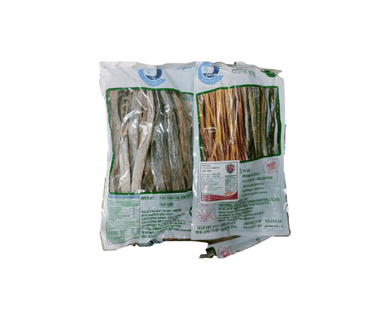
Dry fish, also known as dried fish or sun-dried fish, is a traditional food enjoyed in many cultures, especially in Bangladeshi cuisine. For generations, dry fish has been loved for its strong flavor, long shelf life, and rich nutritional value. It is not only a tasty ingredient but also a good source of important nutrients that support a balanced diet.
What Is Dry Fish?
Dry fish is made by removing moisture from fresh fish through sun-drying or controlled drying methods. This process helps preserve the fish naturally and allows it to be stored for a longer time. Because most of the water is removed, the nutrients become more concentrated, making dry fish a nutrient-dense food.
1. High in Protein
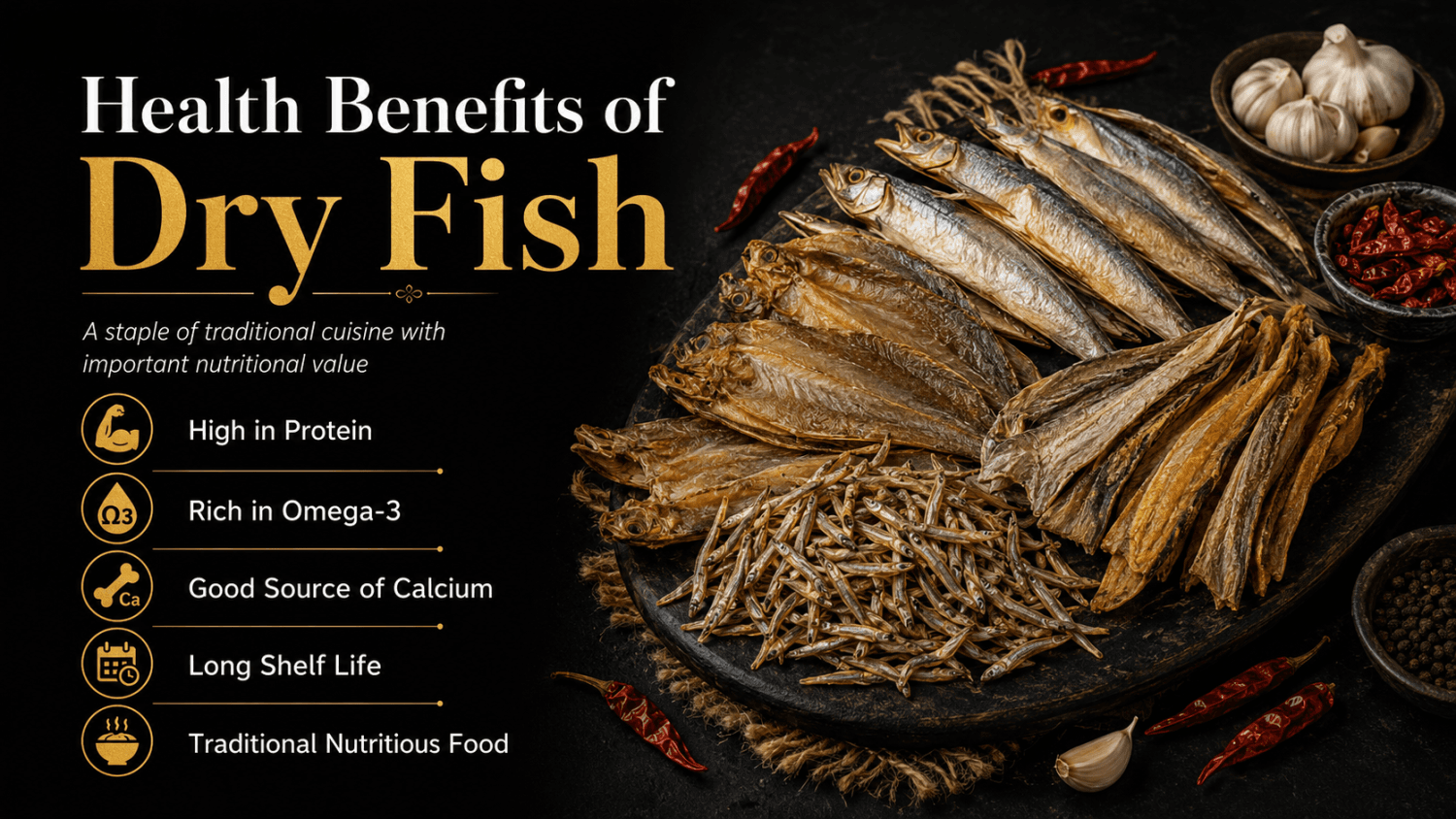
One of the main benefits of dry fish is its high protein content. Protein is essential for building and repairing body tissues, supporting muscle health, and maintaining energy. For people who want a traditional protein source, dry fish can be a valuable part of regular meals.
Fish is generally recognized as a good source of protein and is usually lower in saturated fat compared with many fatty meat products.
2. Rich in Omega-3 Fatty Acids
Many types of fish contain omega-3 fatty acids, which are important healthy fats. Omega-3s are known for supporting heart health and overall wellness. Regular fish consumption is associated with a heart-healthy eating pattern, especially when combined with vegetables, whole grains, fruits, and other balanced foods.
Dry fish made from oily or small fish may naturally provide these beneficial fats, depending on the type of fish used.
3. Good Source of Calcium
Small dry fish that are eaten with bones can be a good source of calcium. Calcium is important for strong bones and teeth. In many traditional diets, small dried fish are valued because the bones are soft enough to eat, adding extra minerals to the meal.
This makes dry fish a useful food choice for people looking to add natural mineral-rich foods to their diet.
4. Long Shelf Life
Another important benefit of dry fish is its long shelf life. Since drying removes moisture, the fish can be preserved for a longer period compared with fresh fish. This makes dry fish convenient for families, restaurants, and people living abroad who want to enjoy traditional Bangladeshi flavors anytime.
For Bangladeshi communities in the USA, dry fish is also a way to stay connected with cultural food traditions.
5. Traditional Taste and Cultural Value
Dry fish is more than just food—it is part of heritage. In Bangladeshi cooking, dry fish is used in many flavorful dishes, including bhorta, curry, vegetables, and spicy preparations. Its unique aroma and taste bring a traditional home-style flavor that many people love.
For expatriate Bangladeshis, dry fish often carries memories of home, family, and authentic local cuisine.
Important Note: Eat in Moderation
Although dry fish has many benefits, it should be eaten in moderation. Some dried fish products may contain a high amount of salt, so people with high blood pressure or sodium restrictions should be careful. It is also important to buy dry fish from trusted sources and store it properly.
The FDA recommends choosing a variety of fish as part of a healthy eating pattern and being mindful of safer, lower-mercury options.
Conclusion
Dry fish is a nutritious, traditional, and flavorful food that can be a valuable part of a balanced diet. It provides protein, may contain omega-3 fatty acids, can offer calcium from small edible bones, and has the advantage of long shelf life. When prepared properly and eaten in moderation, dry fish can bring both health benefits and the authentic taste of Bangladeshi cuisine to the table.
Dry fish is not just a traditional food—it is a connection to culture, nutrition, and authentic flavor.