BLOG
Home // Our Blogs
DRY FISH
8/20/2026
Dry Fish (Shutki): Health Benefits and Possible Drawbacks
Dry Fish (Shutki): Health Benefits and Possible Drawbacks
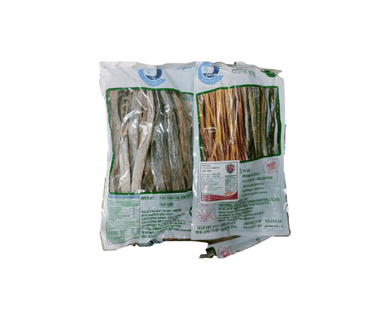
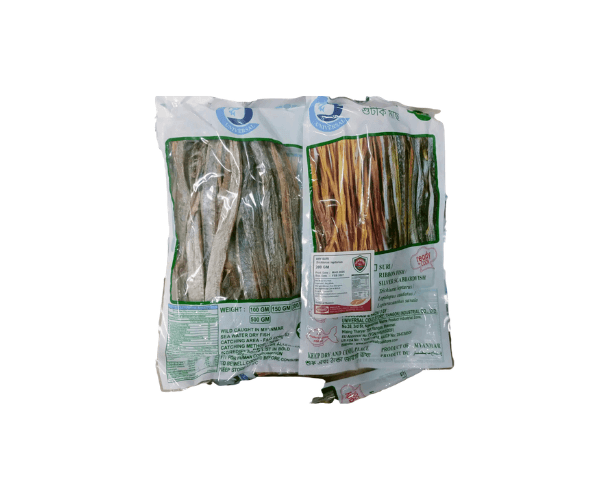
Dry fish, commonly known as Shutki in Bangladesh, is a traditional food enjoyed for its strong flavor, long shelf life, and versatility in cooking. It is usually prepared by drying fresh fish under the sun or through controlled drying methods.
Dry fish can be highly nutritious, but there are also a few things to consider before adding it regularly to your diet.
Pros of Eating Dry Fish
1. High in Protein
Dry fish is a concentrated source of protein because much of its water content has been removed. Protein helps support muscles, tissue repair, and normal body functions.
2. Contains Important Minerals
Depending on the type of fish, dry fish may provide calcium, phosphorus, iron, and other essential minerals.
3. Can Provide Omega-3 Fatty Acids
Dry fish made from oily fish may retain beneficial omega-3 fatty acids, which are associated with supporting heart and brain health.
4. Long Shelf Life
One of the biggest advantages of dry fish is that it can be stored for much longer than fresh fish when dried and stored properly.
5. Convenient and Easy to Store
Dry fish usually does not require the same level of refrigeration as fresh fish, making it useful in areas where cold storage is limited.
6. Rich Traditional Flavor
Shutki has a distinctive taste and aroma. It is used in many popular dishes such as Shutki Bhorta, Shutki Bhuna, and vegetable curries with dry fish.
7. Less Food Waste
Drying is an effective preservation method that can help prevent fresh fish from spoiling quickly.
Cons of Eating Dry Fish
1. Can Be High in Salt
Some types of dry fish are salted during processing. Eating too much high-sodium food may not be suitable for people who need to limit their salt intake.
2. Quality Depends on Processing
Dry fish produced or stored in unhygienic conditions may become contaminated with bacteria, insects, mold, or other unwanted substances.
3. Strong Smell
The intense aroma of Shutki is loved by many people, but others may find it unpleasant, especially when it is being cooked indoors.
4. Possible Chemical Contamination
Poor-quality or illegally processed dry fish may sometimes be treated with unsafe chemicals or pesticides to prevent insects. It is therefore important to buy dry fish from a reliable seller.
5. Nutrient Loss During Processing
Some heat-sensitive nutrients may decrease during drying and prolonged storage, although dry fish can still remain nutritionally valuable.
6. Not Suitable for Everyone
People with fish allergies should avoid dry fish. Those following a low-sodium diet should also check whether the product contains added salt.
How to Choose Good-Quality Dry Fish
When buying dry fish, choose products that look properly dried and do not show signs of mold, excessive discoloration, or insect damage. Buy from a clean and trusted supplier and avoid products with an unusually strong chemical smell.
Before cooking, dry fish can be washed thoroughly and, when appropriate, soaked briefly in clean water to remove dirt and reduce some surface salt.
Is Dry Fish Healthy?
Yes, dry fish can be a nutritious food when it is properly processed, safely stored, and eaten in moderation. It provides protein and several important nutrients while offering the convenience of a long shelf life.
However, the quality of the product matters greatly. Choosing hygienically processed dry fish and avoiding excessive salt can make it a healthier part of your diet.
Final Thoughts
Dry fish or Shutki is more than just a traditional Bengali food. It is a protein-rich, flavorful, and practical way of preserving fish.
Its main advantages include high protein content, useful minerals, long shelf life, and unique flavor, while possible drawbacks include high salt content, contamination risks, and poor processing practices.
Choosing good-quality dry fish and preparing it properly can help you enjoy Shutki as part of a balanced diet.