BLOG
Home // Our Blogs
FISH
8/20/2026
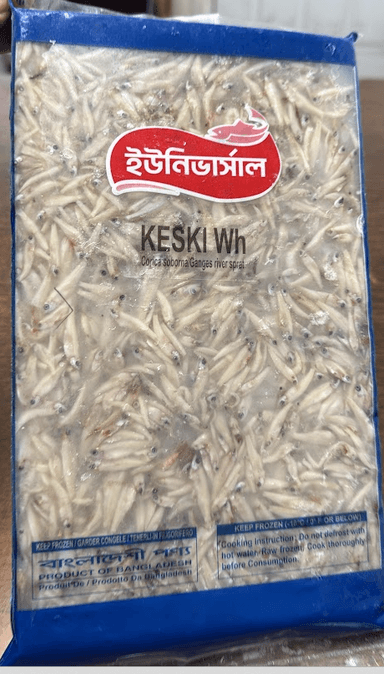
Keski Fish: Health Benefits and Possible Drawbacks
Mola Fish: Health Benefits and Possible Drawbacks
Mola fish, scientifically known as Amblypharyngodon mola, is a small freshwater fish commonly found in Bangladesh and other parts of South Asia. Despite its small size, Mola is considered a nutrient-dense indigenous fish and is traditionally eaten whole, including the bones, head, and sometimes the internal organs.
Research on small indigenous fish in Bangladesh has found Mola to be particularly rich in vitamin A and minerals such as calcium, iron, and zinc.
Pros of Eating Mola Fish
1. Rich in Vitamin A
One of the biggest nutritional advantages of Mola fish is its high vitamin A content. Research has found substantially more vitamin A in Mola than in many commonly consumed larger fish species.
Vitamin A is important for maintaining normal vision, immune function, and healthy skin.
2. Excellent Source of Calcium
Because Mola is a small fish that can often be eaten with its soft bones, it can provide a useful amount of calcium.
Calcium is essential for maintaining strong bones and teeth and supporting normal muscle and nerve function. Studies of small indigenous fish in Bangladesh have identified them as an important dietary source of calcium.
3. Provides High-Quality Protein
Like other fish, Mola provides protein that helps the body build and repair muscles and tissues.
Including protein-rich foods such as fish in a balanced diet can also help support normal growth and development.
4. Contains Iron and Zinc
Mola contains important minerals including iron and zinc. Research has described Mola as a nutrient-dense animal-source food that is rich in haem iron, zinc, and particularly calcium.
Iron helps support normal red blood cell production, while zinc contributes to immune function, growth, and wound healing.
5. Nutrients From the Whole Fish
A major advantage of small fish such as Mola is that much of the fish can be eaten instead of discarded.
The head, bones, and internal parts contain valuable micronutrients. One study found that a large proportion of Mola's vitamin A compounds were concentrated in the eyes and viscera.
6. Affordable Source of Nutrition
In areas where Mola is locally available, it can provide several important nutrients in one food.
Its nutritional value has led researchers to explore Mola farming alongside larger carp species as a way of improving access to micronutrient-rich foods in Bangladesh.
7. Traditional and Versatile Food
Mola is commonly cooked with vegetables, spices, and other traditional ingredients.
Popular preparations include:
Mola fish curry
Mola with vegetables
Mola Chorchori
Fried Mola fish
Mola fish bhuna
Cooking it with vegetables can make it part of a nutritious and balanced meal.
Cons of Eating Mola Fish
1. Contains Many Small Bones
Because Mola is a very small fish and is often eaten whole, it contains numerous tiny bones.
Most become relatively soft during cooking, but children, elderly people, and anyone who has difficulty swallowing should eat it carefully.
2. Deep-Frying Can Add Extra Fat
Mola itself can be nutritious, but deep-frying it in large amounts of oil increases the calorie and fat content of the meal.
Cooking methods such as light frying, steaming, or preparing it in a vegetable curry may be healthier choices.
3. Excess Salt Can Reduce the Health Benefits
Preparing Mola with too much salt can increase sodium intake.
People who have been advised to follow a low-sodium diet should be particularly careful about adding excessive salt.
4. Freshness Is Important
Small fresh fish can spoil quickly when handled or stored improperly.
Mola should be purchased from a reliable source, kept at a safe temperature, cleaned properly, and cooked thoroughly.
5. Fish Allergy
People who are allergic to fish should avoid Mola fish unless they have received appropriate medical advice.
Is Mola Fish Good for Your Eyes?
Mola has long been associated with eye health because of its high vitamin A content. Vitamin A itself is essential for normal vision.
However, it is better not to describe Mola as a treatment or cure for eyesight problems. Research has confirmed that Mola contains high levels of vitamin A-related compounds, although one controlled study in Bangladeshi children did not find a significant improvement in certain blood markers of vitamin A status from Mola meals alone.
Therefore, Mola should be considered a nutritious part of a balanced diet rather than a medical treatment.
Is Mola Fish Healthy?
Yes. Mola fish can be an excellent addition to a balanced diet.
Its combination of:
Vitamin A
Calcium
Protein
Iron
Zinc
Other essential nutrients
makes this tiny fish particularly nutritionally valuable. Research on Bangladeshi diets has highlighted small indigenous fish, including Mola, for their contribution to vitamin A and calcium intake.
For a healthier meal, cook Mola with vegetables and moderate amounts of oil and salt rather than deep-frying it.
Final Thoughts
Mola proves that a small fish can offer impressive nutritional value.
Its biggest advantages are its high vitamin A content and its contribution of calcium, iron, zinc, and protein. Because much of the fish can be eaten whole, consumers can obtain nutrients from parts of the fish that are normally discarded when eating larger species.
The main drawbacks are its many tiny bones, the need for careful handling and storage, and the extra calories or sodium that can come from unhealthy cooking methods.
When properly cleaned, cooked, and eaten as part of a varied diet, Mola fish can be a nutritious traditional food for the whole family.